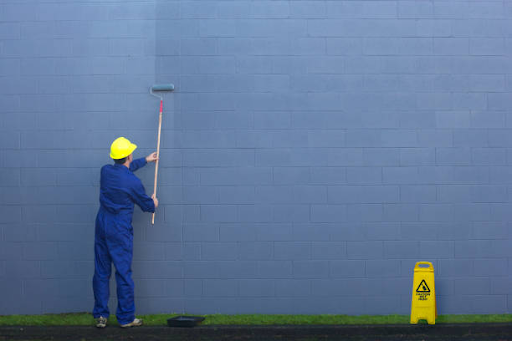
A fresh coat of paint can turn a tired brick wall into the best part of your home. Done right, brick painting lasts for years and adds real curb appeal. Done wrong, it peels, bubbles, and traps water inside the wall. The difference comes down to a clean surface, a good primer, and breathable paint on a dry wall.
At LA Painting & Repairs, we have seen both results on homes across Baton Rouge. Here are the dos that help paint last, the mistakes that cause peeling, how paint compares with stain, and the care steps that protect your wall after the job.
Why So Many Homeowners Paint Brick, and When to Wait
Paint gives an old brick wall a clean new look in just a few days. It costs far less than new siding, and you can pick any color you like. Many owners in Louisiana want a fresh front without a full remodel, and brick painting Baton Rouge projects are a popular way to get it. However, paint is very hard to remove once it dries. Brick that is crumbling, soft, or soaked with water needs repair first. Wait on the project if you see those signs, and fix the cause before you add any color.
The Dos That Help Paint Stick and Last for Years
Strong prep is the base of any brick painting job. Follow these steps in order.
- Do wash the wall first: Use a soft brush, mild soap, and clean water to remove dirt, mold, and chalky salt. Let the wall dry for two full days.
- Do repair cracks and loose mortar: Fill gaps with the right mortar mix and let it cure fully before you paint.
- Do use a masonry primer: It blocks stains and helps the coat grip the rough surface.
- Do pick a quality masonry paint: It breathes, so water vapor can leave the wall instead of getting trapped behind the coat.
- Do test a small patch: A test spot shows the true color and finish before you commit to the full wall.
Weather plays a big role in how well paint cures. Work on a dry day with mild temperatures, because heat and damp air both weaken the bond. Many owners hire a pro for painting brick exterior walls on two-story homes, since tall ladders and sprayers add real risk.
Want a pro to check your brick before you buy any paint? Get a clear plan and honest advice from a crew that does this work every week.
The Mistakes That Make Paint Peel, Bubble, and Trap Water
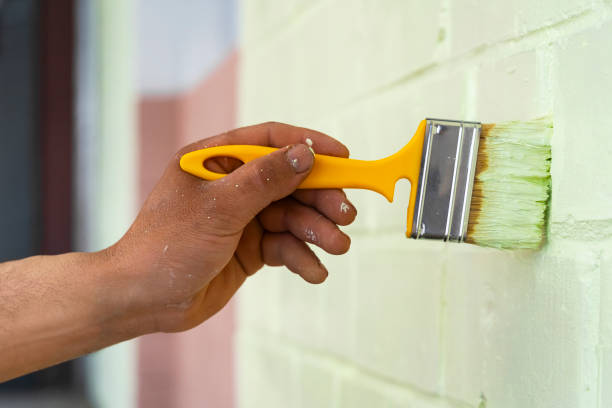
Most failed paint jobs share the same few causes. Avoid these, and you save money.
- Never skip the cleaning step. Paint over dust and mold peels within months.
- Never use a standard exterior paint made for wood siding. It forms a tight film that locks moisture inside the brick.
- Never paint a damp wall. Wait until the brick feels dry and the forecast stays clear for a few days.
- Never cover the weep holes. These small gaps near the base let water escape, so keep them open.
- Never rush the coats. Thin, even layers dry better than one thick, heavy layer.
Garden walls need extra care. When you plan on painting outdoor brick wall sections, watch the top and the base, because rain and soil moisture hit those spots first. Add a cap or a sloped top so water runs off the wall.
Paint or Stain: Which Finish Fits Your Brick Best?
Paint and stain give very different results. Brick staining soaks into the surface and keeps the natural texture of each brick. It fades slowly instead of peeling, which makes upkeep easier. Paint covers the brick fully, so it suits owners who want bold color or need to hide old stains. Therefore, your goal should drive the choice. If you pick paint, go with quality masonry paint and avoid any standard exterior paint. If you want a soft color shift, brick staining is worth a look.
Simple Care Steps That Keep Your Painted Wall Looking New
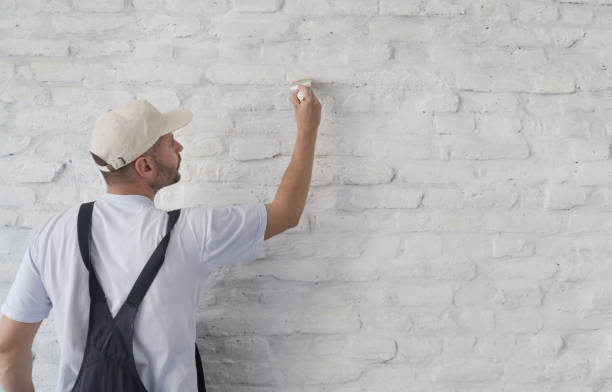
Your work does not end when the last coat dries. Wash the wall once a year with a garden hose and a soft brush. Check for chips, cracks, and bubbles after each big storm. Touch up small spots early, because tiny gaps let water in and spread damage fast. Humid weather in Baton Rouge speeds up mold growth, so brick painting Baton Rouge owners should look at shaded corners more often. Good care after brick painting can add years to the life of your finish.
Ready to give your brick a fresh look that lasts? Call our crew today, and we will handle the prep, the paint, and the cleanup.
Plan Before You Pick Up the Brush and Your Wall Will Reward You
Painting brick is a big choice, and the right steps make it a good one. Clean the wall, fix the damage, and use breathable paint. Skip any standard exterior paint that traps water. These habits protect your home and keep the color bright. If you want help, LA Painting & Repairs can guide you from the first look to the final coat. A smart plan for brick painting saves you from costly repairs later.
FAQ
1. Is painting a brick house a good idea?
Yes, in most cases it is a good idea. Brick painting refreshes a dated wall, hides stains, and boosts curb appeal at a lower cost than new siding. The main trade-off is upkeep, since painted brick needs a touch-up every several years. Choose it only when your brick is sound and dry, because paint is very hard to remove later.
2. How much does it cost to paint a brick house in 2027?
Most homeowners spend about $3,000 to $9,000 for a full exterior, based on wall size, repair needs, and paint grade. Prices in 2027 may shift with labor and material costs, so get a written quote. Brick staining often costs less than paint on small areas, but the look and upkeep differ. Ask each contractor what the price covers before you sign.
3. What is the best paint to use on exterior brick?
Pick 100% acrylic latex paint made for masonry. A quality masonry paint grips rough surfaces, resists weather, and lets water vapor escape from inside the wall. Pair it with a masonry primer for the best bond. Choose a flat or low-sheen finish, because high gloss shows every flaw and can trap more moisture behind the coat.
4. How long does painted brick last?
A well-prepped job often lasts 10 to 15 years, and some last longer. Strong results with painting brick exterior walls depend on clean surfaces, the right primer, and good paint. Sun, rain, and humidity wear down the coat over time. Wash the wall each year and touch up small chips early to stretch the life of your finish.
5. Does painting brick cause moisture problems?
It can, when you use the wrong paint. Thick, plastic-like coatings seal the wall and trap water inside, which leads to peeling and cracks. Breathable masonry paint lowers that risk. The same rule applies when painting outdoor brick wall sections such as garden walls. Fix leaks first, keep weep holes open, and let the surface dry before you paint.